Welcome to StemPy Lab
A place to learn physics, chemistry, mathematics, biology, Python and statistics by trying things. Here is how it works, who it is for, and what to do first.

18 October 2026 · 2 min read · All posts by StemPy Lab
You open a textbook. You read a page. You think you understand it. Then you meet a problem, and your mind goes blank.
Most of us have been there. The page was clear, but we only read it. We did not do anything with it.
StemPy Lab is built around one idea: you learn a science by trying things.
How a lesson works
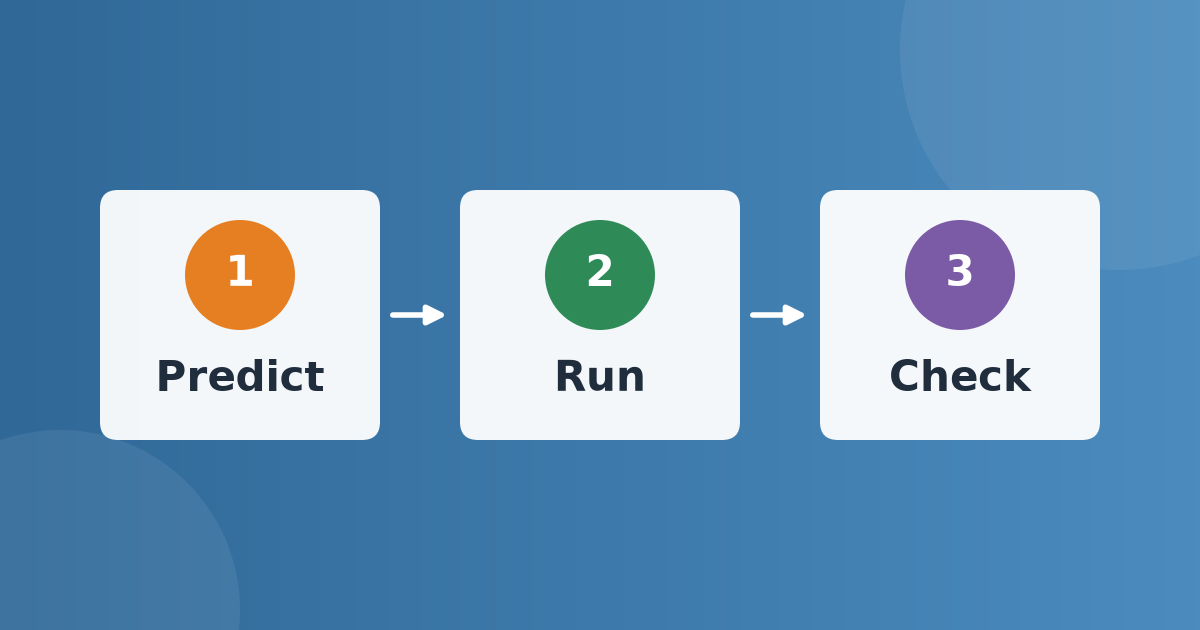
Every lesson follows the same three steps.
- Predict. You guess what will happen before you see it.
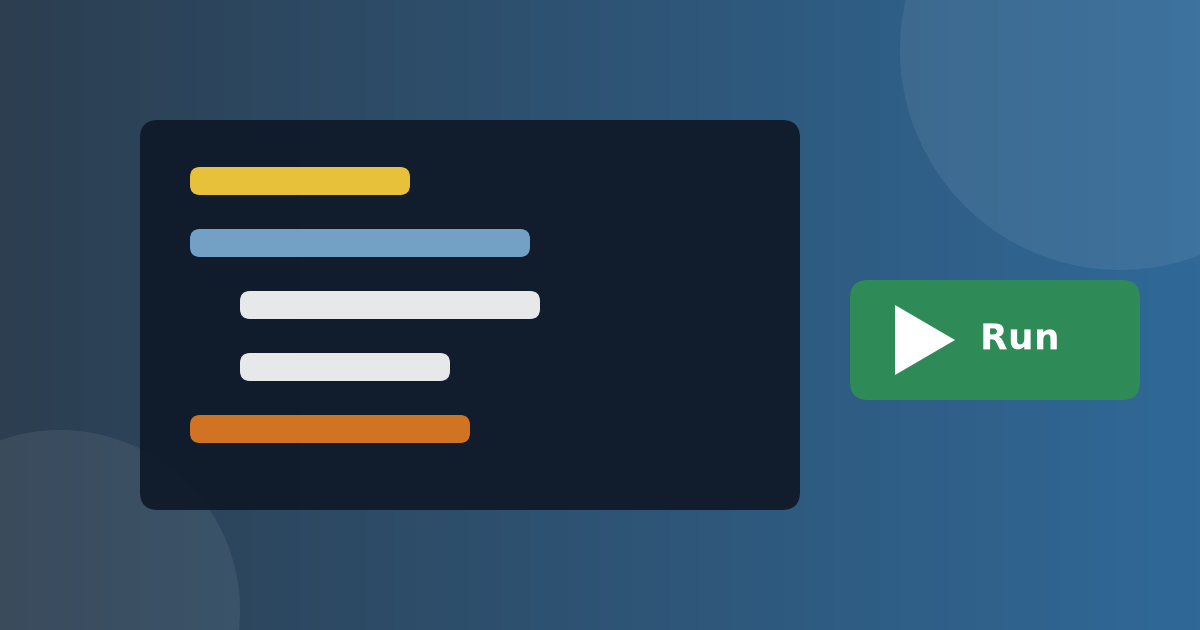
- Run. You press a button, and a small Python program shows you what really happens.
- Check. You compare the result with your guess, and the lesson explains the difference.
A wrong guess is not a failure. It is the most useful part, because it shows exactly what you did not know yet.
Try it now. What will this program show? Decide first, then press Run.
If you guessed metres, you already know how distance, speed and time are linked.
What you will find here
- Courses that follow a textbook order, one short chapter at a time. Each chapter has lessons, problems with worked solutions, labs, a question set and a mock test.
- Problems with step by step solutions. Many also have a Python version, so you can change the numbers and see the answer move.
- Python labs, small programs you can run and change without installing anything.
- Mock tests in the style of school, board and olympiad papers, with a time limit.
- Classes and groups, so a teacher can give work to a class, and friends can study together.
- Discussions, where you can ask a question and help somebody else.
The subjects
Physics, Chemistry, Mathematics, Biology, Python Programming, and Statistics and Data Science. They are all in one place, so a physics problem can use Python, and a statistics lesson can use real measurements.
Who is it for?
Learners from the middle school years to the first years of university, and curious adults who always wanted to understand how things work. Each subject has levels, and you can start at the one that fits you. The next post, "Where should I start?", helps you choose.
What it costs
A lot of StemPy Lab is free, and the free part is complete: you can finish a whole chapter without paying. There are paid plans for extra courses and for AI help made for you. A later post explains exactly what is free and what is not.
What to do first
- Pick one subject that you enjoy.
- Open its first course, and do the first lesson.
- Come back tomorrow and do the next one.
Small steps, every day, beat one long night before an exam. Welcome, and happy learning.
Discussion (0)
Log in to join the discussion.
Loading…
How to hold a mock test: a step-by-step guide for teachers
Get your questions ready, build a paper marked like the real exam, choose how it starts, run it, read the report and give certificates. Then take the same paper to students beyond your class with an open exam. A walk through a demo class test.
Mock testsTeachersGuides